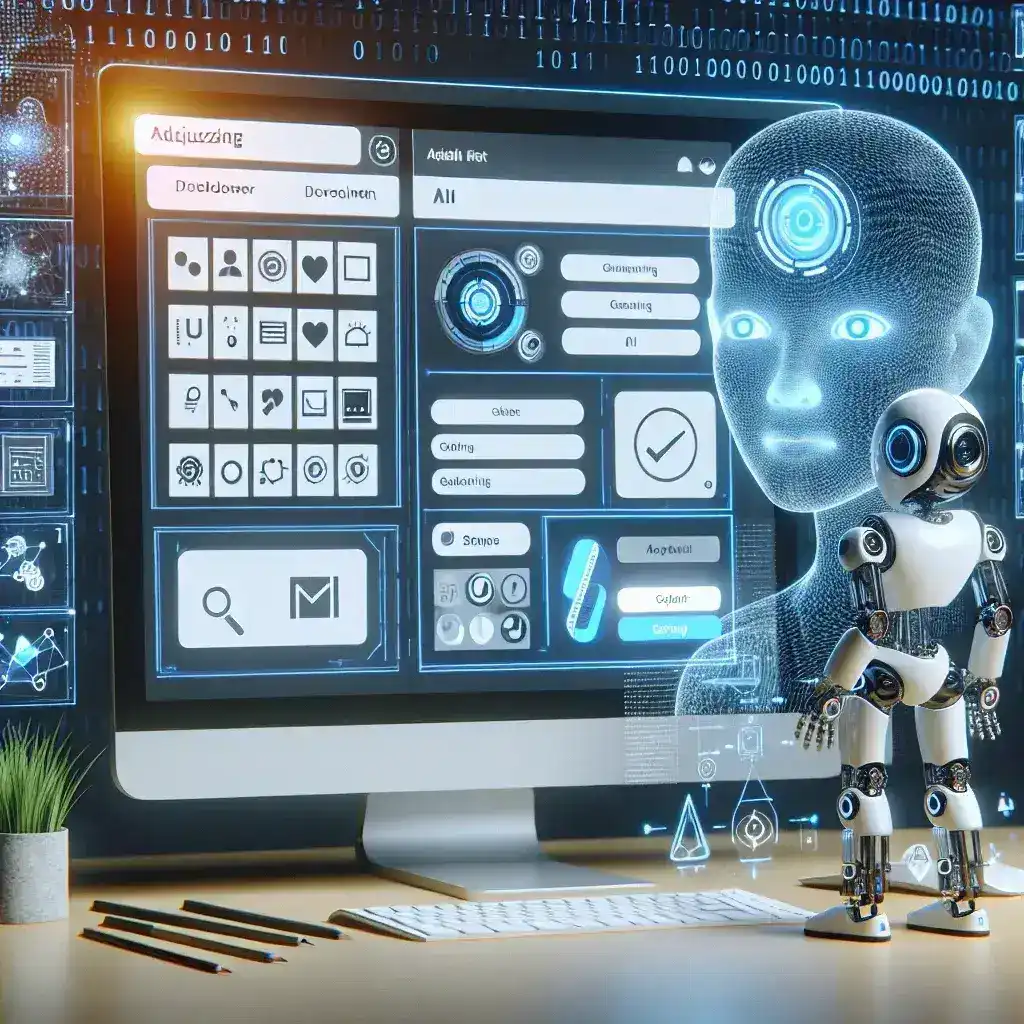
In the rapidly evolving landscape of software development, AI-powered UI element detection tools have emerged as game-changing technologies that are fundamentally transforming how developers and quality assurance professionals approach user interface testing. These sophisticated tools leverage artificial intelligence and machine learning algorithms to automatically identify, analyze, and interact with various UI components, making the testing process more efficient, accurate, and comprehensive than ever before.
Understanding AI-Powered UI Element Detection
Traditional UI testing methods often relied on manual processes or basic automation scripts that required constant maintenance and updates. However, AI-powered detection tools represent a paradigm shift in this approach. These tools utilize computer vision, natural language processing, and deep learning algorithms to understand and interpret user interfaces in ways that closely mimic human perception and interaction patterns.
The core functionality of these tools revolves around their ability to automatically recognize UI elements such as buttons, text fields, dropdown menus, images, and other interactive components without requiring pre-defined element locators or extensive script maintenance. This capability significantly reduces the time and effort required for test automation while improving the reliability and robustness of testing procedures.
The Technology Behind AI Detection Tools
At the heart of AI-powered UI element detection lies a combination of advanced technologies working in harmony. Computer vision algorithms analyze visual representations of user interfaces, identifying patterns, shapes, and visual cues that indicate specific UI elements. Machine learning models, trained on vast datasets of UI components, enable these tools to recognize elements across different platforms, applications, and design patterns.
Natural language processing capabilities allow these tools to understand text-based elements and their contextual meanings, while optical character recognition (OCR) technology enables the extraction and interpretation of text content within images and graphics. This multi-layered approach ensures comprehensive coverage and accurate identification of UI elements regardless of their implementation or styling.
Key Benefits and Advantages
The adoption of AI-powered UI element detection tools offers numerous advantages over traditional testing methods. Reduced maintenance overhead stands out as one of the most significant benefits, as these tools can adapt to UI changes without requiring manual script updates. This adaptability is particularly valuable in agile development environments where user interfaces undergo frequent modifications.
Enhanced test coverage represents another crucial advantage. AI-powered tools can identify and test elements that might be overlooked in manual testing processes, ensuring more comprehensive validation of user interface functionality. The ability to perform cross-platform testing with minimal configuration changes further amplifies the value proposition of these tools.
Improved Accuracy and Reliability
Human error, fatigue, and inconsistency can significantly impact the quality of manual testing processes. AI-powered detection tools eliminate these variables by providing consistent, accurate, and repeatable testing results. The tools can operate continuously without breaks, performing extensive testing cycles that would be impractical or impossible for human testers to execute manually.
Furthermore, these tools can detect subtle visual differences and UI inconsistencies that might escape human observation, particularly when testing across multiple devices, browsers, or operating systems. This level of precision ensures higher quality user experiences and reduces the likelihood of UI-related bugs reaching production environments.
Popular AI-Powered UI Detection Tools
The market for AI-powered UI element detection tools has expanded rapidly, with several notable solutions gaining prominence among development teams worldwide. Applitools Eyes utilizes visual AI technology to perform automated visual testing, comparing application screenshots against baseline images to identify visual differences and UI anomalies.
Selenium with AI enhancements has evolved to incorporate machine learning capabilities, enabling more intelligent element identification and interaction strategies. TestComplete’s AI-powered object identification feature uses machine learning algorithms to recognize UI objects even when their properties change.
Newer entrants like Mabl and Test.ai have built their platforms specifically around AI-driven testing methodologies, offering cloud-based solutions that continuously learn and adapt to application changes. These tools represent the cutting edge of AI-powered testing technology, demonstrating the potential for fully autonomous testing systems.
Enterprise Solutions and Integration
For large-scale enterprise environments, AI-powered UI detection tools offer sophisticated integration capabilities with existing development and testing workflows. Many tools provide APIs and plugins that seamlessly integrate with popular development platforms, continuous integration systems, and project management tools.
The ability to generate detailed reports, analytics, and insights from AI-powered testing processes provides valuable data for development teams to optimize their user interfaces and improve overall application quality. These insights can inform design decisions, identify usability issues, and guide future development priorities.
Implementation Challenges and Considerations
Despite their numerous advantages, implementing AI-powered UI element detection tools presents certain challenges that organizations must carefully consider. Initial setup and configuration can be complex, requiring teams to invest time in understanding the tool’s capabilities and optimizing its performance for specific applications and environments.
The learning curve associated with these tools can be steep, particularly for teams accustomed to traditional testing methods. Training and skill development become essential investments to maximize the value of AI-powered testing solutions. Additionally, the cost of premium AI-powered tools may be prohibitive for smaller organizations or projects with limited budgets.
Data Privacy and Security Concerns
AI-powered tools often require access to application data and user interface information, raising important considerations regarding data privacy and security. Organizations must carefully evaluate the security measures implemented by tool vendors and ensure compliance with relevant data protection regulations and industry standards.
Cloud-based AI testing solutions introduce additional security considerations, as sensitive application data may be transmitted to and processed by external services. Establishing clear data handling policies and ensuring vendor compliance with security standards becomes crucial for maintaining organizational security posture.
Future Trends and Developments
The future of AI-powered UI element detection tools appears exceptionally promising, with several emerging trends shaping the evolution of this technology. Advanced machine learning models are becoming increasingly sophisticated, enabling more accurate element recognition and predictive testing capabilities.
The integration of natural language processing is expanding to support voice-controlled interfaces and conversational UI elements, reflecting the growing adoption of voice-activated applications and smart assistants. Additionally, the development of specialized AI models for mobile and responsive design testing addresses the increasing complexity of modern user interfaces.
Autonomous Testing Systems
The ultimate goal of AI-powered UI testing evolution is the development of fully autonomous testing systems that can independently design, execute, and optimize test cases without human intervention. These systems would continuously monitor application changes, automatically generate appropriate test scenarios, and provide intelligent recommendations for UI improvements.
Such systems would represent a fundamental shift in software testing methodology, transforming quality assurance from a reactive process to a proactive, intelligence-driven function that anticipates and prevents issues before they impact users.
Best Practices for Implementation
Successfully implementing AI-powered UI element detection tools requires careful planning and adherence to established best practices. Starting with pilot projects allows teams to gain experience with the technology while minimizing risk and investment. Gradual expansion of AI-powered testing coverage enables organizations to build expertise and confidence progressively.
Establishing clear metrics and success criteria helps organizations measure the effectiveness of AI-powered testing implementations and identify areas for improvement. Regular training and skill development ensure that team members can effectively utilize the advanced capabilities of these tools.
Maintaining hybrid testing approaches that combine AI-powered automation with human expertise and judgment often yields the best results. While AI tools excel at repetitive tasks and pattern recognition, human testers continue to provide valuable insights regarding usability, user experience, and edge cases that may not be captured by automated systems.
Conclusion
AI-powered UI element detection tools represent a transformative force in software testing and development, offering unprecedented capabilities for automating and enhancing user interface quality assurance processes. As these tools continue to evolve and mature, they will undoubtedly play an increasingly central role in ensuring the quality and reliability of digital applications across all platforms and industries.
Organizations that embrace these technologies early and invest in proper implementation and training will gain significant competitive advantages in terms of development efficiency, application quality, and time-to-market. The future of UI testing lies in the intelligent automation capabilities provided by AI-powered detection tools, making them essential components of modern software development workflows.




Leave a Reply